Air Pollution
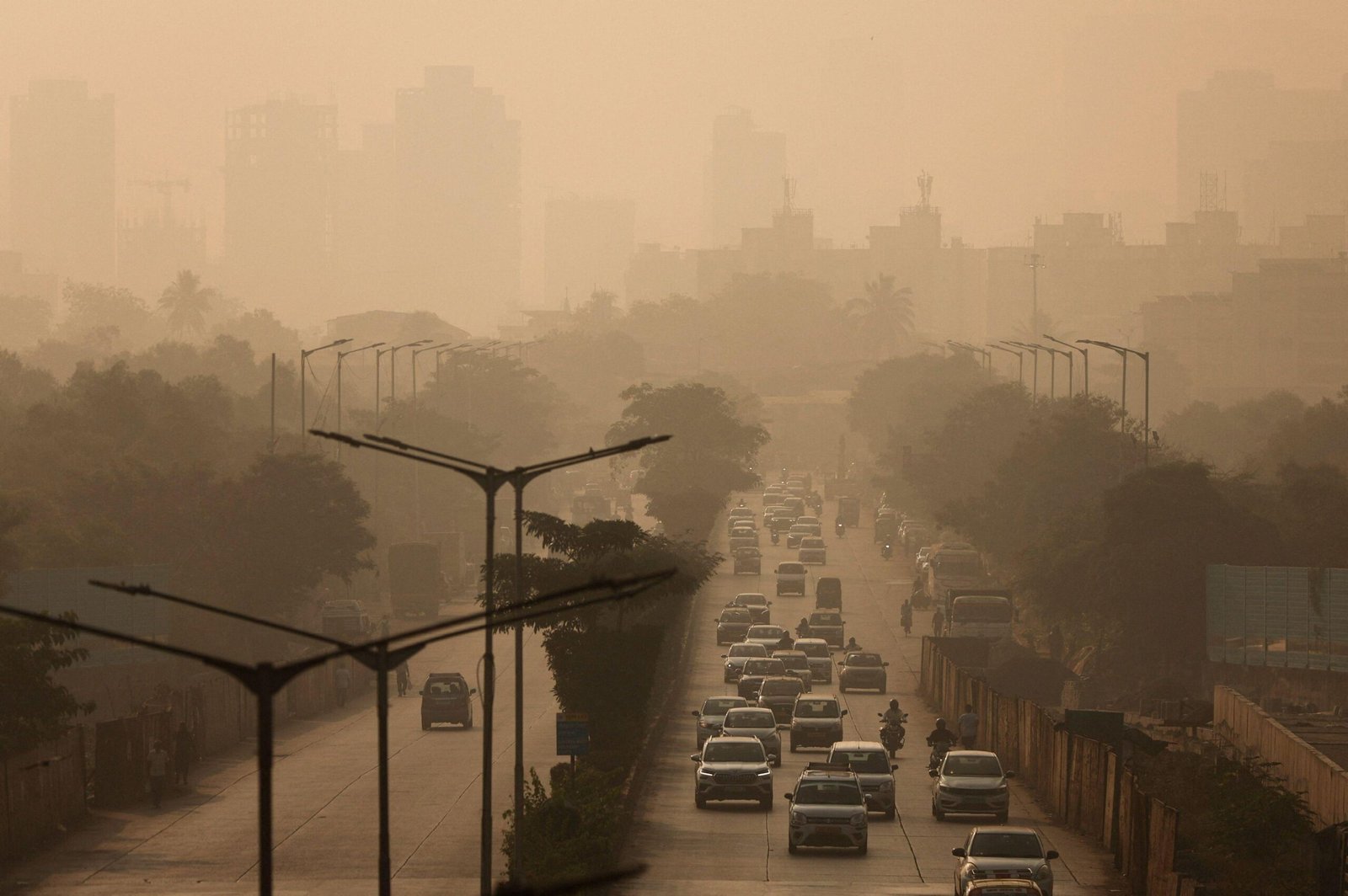
Vehicle emissions and fine particles inflame airways and worsen asthma.
Irritants play a critical role in worsening allergic diseases. While they do not cause true allergies, they significantly increase symptoms, disease severity, and treatment resistance in allergic individuals.
Irritants are substances that cause direct inflammation or irritation of the skin, airways, or mucous membranes without activating the immune system in the way allergens do.
In people with asthma, allergic rhinitis, eczema, or chronic respiratory conditions, irritants can trigger flare-ups, prolong symptoms, and reduce quality of life.
Vehicle emissions and fine particles inflame airways and worsen asthma.
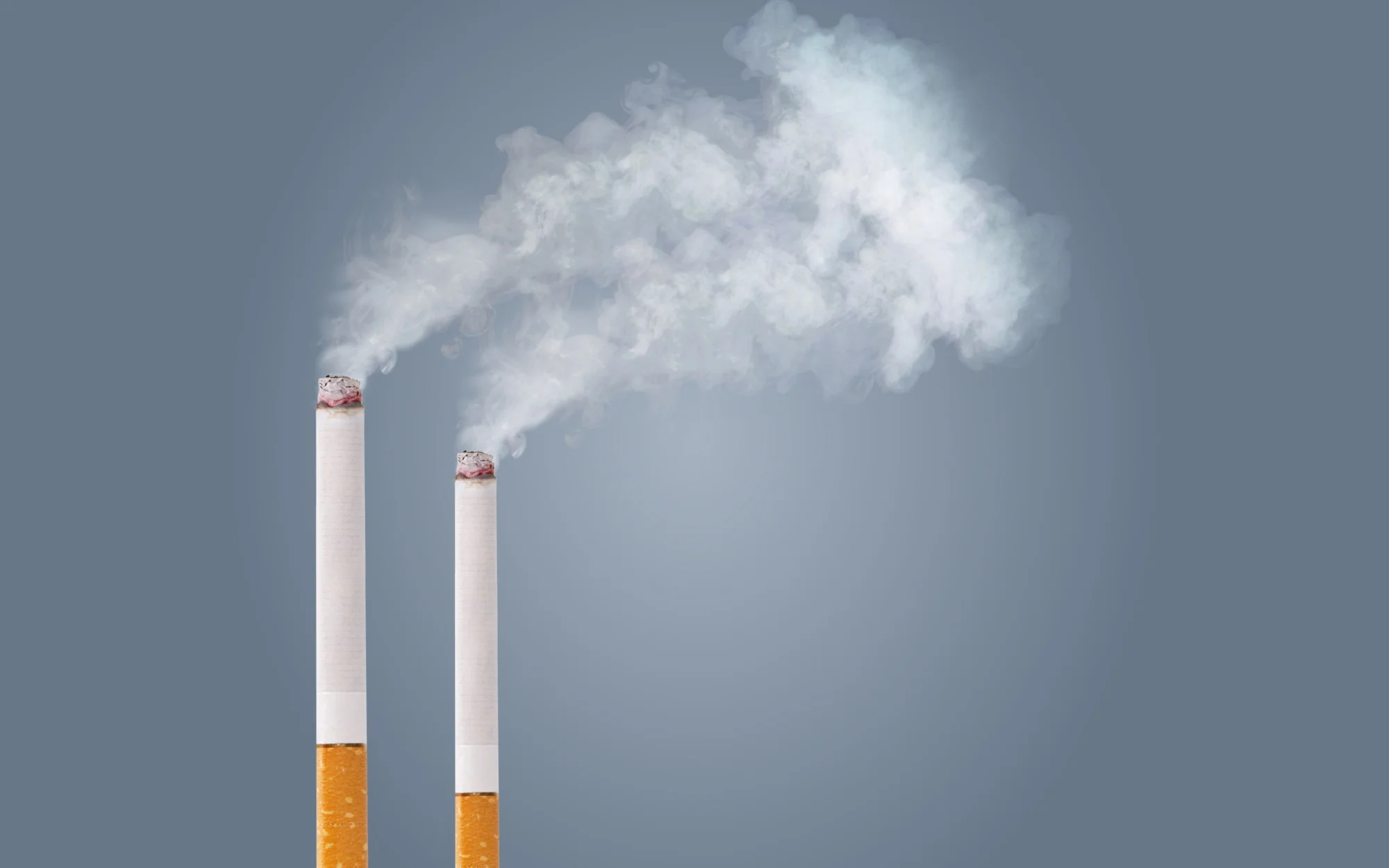
Active and passive smoking significantly increases allergic inflammation.

Perfumes, incense, and sprays commonly trigger cough and nasal symptoms.

Cleaning agents and disinfectants can irritate skin and respiratory tract.

Dust, fumes, and gases affect workers in factories and construction sites.
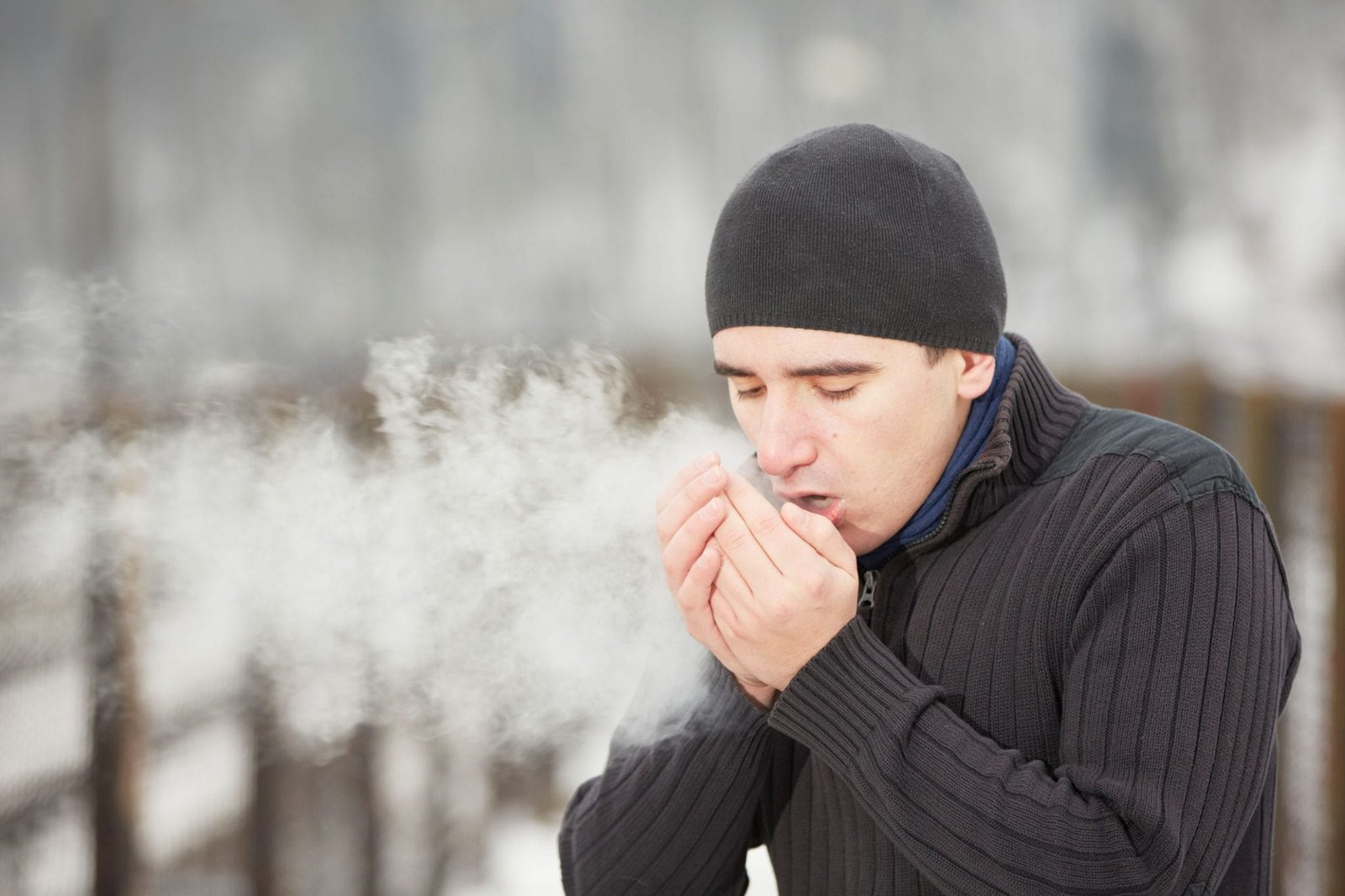
Cold air, humidity, and sudden temperature changes provoke symptoms.
Avoid smoke, polluted environments, and strong chemical odors.
Use ventilation, air purifiers, and regular cleaning.
Wear masks and protective equipment in high-risk settings.
ISAAS Advisory:
Identifying and minimizing irritant exposure is essential for long-term control
of allergic and respiratory diseases.