What is Allergy?
Allergy is a medical condition in which the immune system reacts abnormally to substances that are usually harmless. These reactions can affect multiple organs and significantly impact quality of life if left unrecognized or unmanaged.
Understanding Allergy
The immune system is designed to protect the body from harmful invaders such as bacteria, viruses, and toxins. In individuals with allergies, this defense system mistakenly identifies certain harmless substances as dangerous.
These substances are called allergens. Common allergens include pollen, house dust mites, animal dander, certain foods, insect venom, medications, and molds.
Once sensitized, even minimal exposure to an allergen can trigger symptoms. Allergic conditions are chronic in nature but vary greatly in severity among individuals.
Why Do Allergies Occur?
Allergies develop due to an interaction between genetic susceptibility and environmental exposure. Modern lifestyle factors have contributed to a rise in allergic diseases globally.
- Genetic predisposition: Family history of asthma or allergy.
- Environmental exposure: Pollution, smoke, urban living.
- Immune imbalance: Reduced early-life microbial exposure.
These influences shape immune responses and determine whether tolerance or hypersensitivity develops.
How Allergic Reactions Develop
1. Sensitization
First exposure leads to production of IgE antibodies specific to the allergen.
2. Re-Exposure
Subsequent contact causes allergen–IgE binding on mast cells.
3. Mediator Release
Histamine and inflammatory mediators cause symptoms like itching and swelling.
Types of Allergies
Allergies are classified based on the source of allergen and affected body system.

Pollen Allergy (Hay Fever)

House Dust Mite Allergy

Pet Allergy

Mold Allergy

Food Allergies
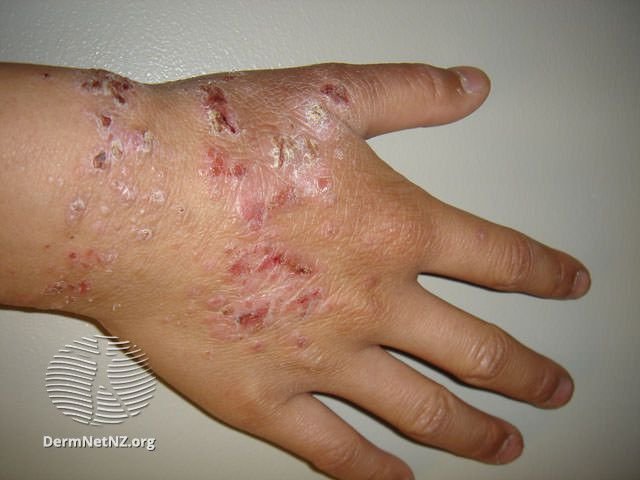
Skin Allergies

Insect Sting Allergies

Drug Allergies
Common Symptoms of Allergy
Allergic symptoms vary in intensity and may involve respiratory, skin, gastrointestinal, or systemic reactions.
 Itching
 Dry Cough
 Wheezing
 Runny Nose
 Sneezing
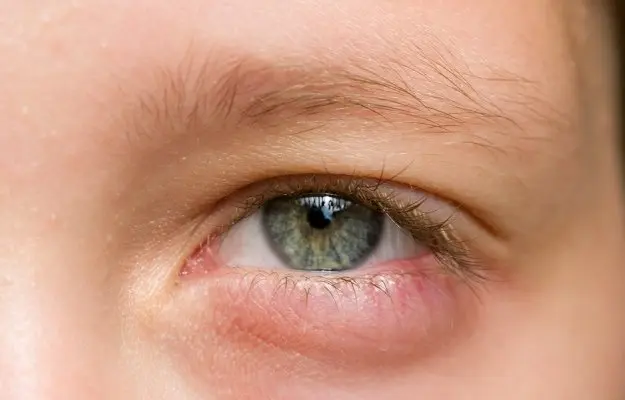 Swollen Eyes
 Sore Throat
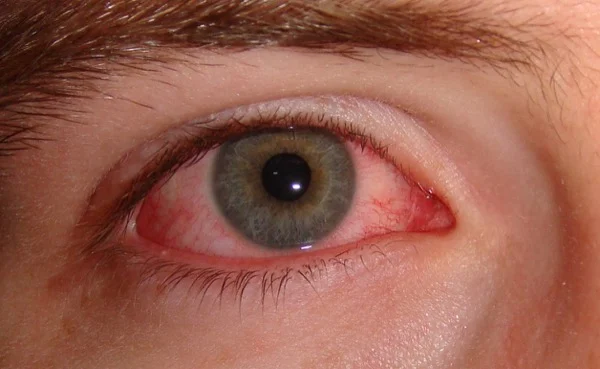 Red Eyes
 Headache
ISAAS Educational Advisory:
Allergic diseases should be medically evaluated. Proper diagnosis,
allergen avoidance, and timely treatment can prevent complications
such as asthma and anaphylaxis.